by FlooringFirst est. 2004
Wooden floors naturally lose their protection over time due to foot traffic, cleaning products, furniture movement, and general wear. Our reoiling and recoating service in Barnet refreshes the finish of your wooden floors, restores their natural beauty, and strengthens their protection without the need for full sanding.
A well-maintained finish protects your wooden floor from moisture, stains, scratches, and daily use. When this protective layer wears down, the timber becomes vulnerable and begins to look dull or uneven.
Reoiling or recoating helps to:
These treatments keep your floors looking fresh and performing well for many years.
Reoiling is the process of applying a fresh coat of oil to wooden floors previously treated with hardwax oil or natural oils. The new oil penetrates deep into the timber, nourishing it from within while enhancing the grain and colour.
This process is particularly effective on solid wood or engineered floors with an oil-based finish.
Recoating is the application of a new layer of lacquer (varnish) over an existing lacquered floor. This creates a fresh protective surface and restores clarity and sheen to the floor without sanding it back to bare wood.
Recoating is suitable for lacquered floors that show light to moderate surface wear.
We begin with a detailed assessment of your wooden floor to understand its current condition and the treatment it requires. This includes identifying the existing finish (oil, hardwax oil, or lacquer), checking for dull or worn areas, and inspecting any sections that show early signs of damage. We also evaluate foot traffic levels, moisture exposure, and overall wear patterns. This inspection allows us to recommend the most suitable maintenance method—reoiling for oiled floors or recoating for lacquered surfaces—and ensure the best long-term results.
Before any new finish can be applied, the floor must be completely free of dirt, grease, and cleaning product residue. We use professional-grade wood floor cleaning machines and safe, finish-compatible detergents to remove the grime that has settled into the grain and surface. This step ensures the new oil or lacquer can bond properly without lifting, streaking, or reacting with old residues. Clean edges, corners, and high-traffic areas are given extra attention to guarantee a uniform final result.
For lacquered floors, a light abrasion—also known as a screen buffing—is often required to help the new coat adhere securely. Using fine abrasives, we gently smooth the surface to remove minor scratches, scuff marks, and imperfections without sanding down to bare wood. This process creates an ideal bonding surface, ensuring the new lacquer coat dries evenly and strengthens the floor’s protective layer. Oiled floors typically do not require abrasion unless there are surface inconsistencies that need levelling.
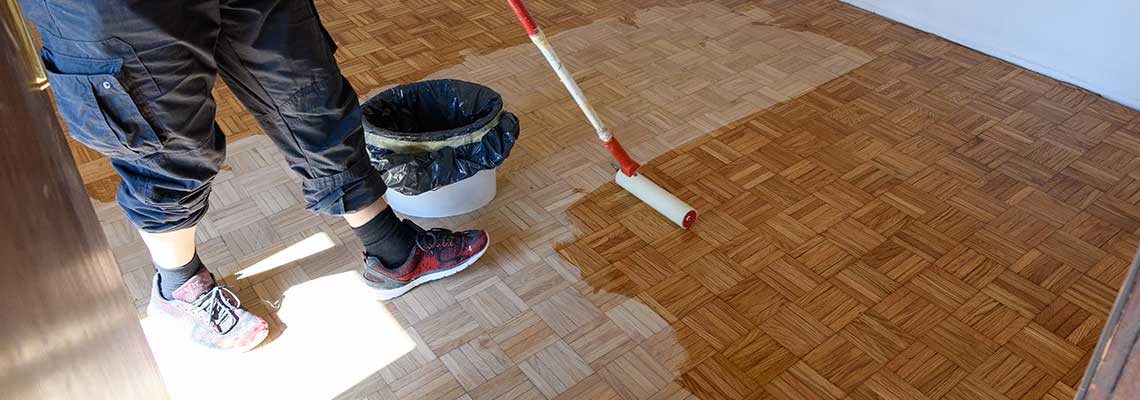
Once the floor is fully prepared, we apply the chosen finish evenly and professionally:
Oils:
These penetrate deep into the timber, nourishing the wood and enhancing its natural colour and grain. The oil soaks into the pores of the wood, strengthening it from within and providing a beautifully rich, warm appearance.
Lacquers:
These form a durable, protective layer on the surface of the floor. A fresh coat of lacquer shields the timber from scratches, spills, and daily wear while restoring clarity and sheen. Available in matt, satin, or gloss, lacquer recoating gives your floor a refreshed, long-lasting finish.
Depending on the product, multiple coats may be applied for extra durability and an even smoother final appearance.
Once the coating is dry, we carry out a final buffing (for oiled floors) to enhance smoothness and ensure the finish looks rich and even.
We provide maintenance treatments for:
If you're unsure which treatment your floor needs, we can determine it during inspection.
We offer reoiling and recoating across High Barnet, East Barnet, Finchley, Mill Hill, Totteridge, Hendon, Whetstone, and surrounding areas.
Refresh and protect your wooden floors with expert maintenance. Contact Barnet Floor Sanders for a free quote:
A fresh coat can add years of life to your wooden flooring.
How often do I need to re-oil my wooden floor?
On average, every 12–24 months depending on usage. High-traffic areas like hallways may need more frequent reoiling. We assess the condition of the floor and advise on a suitable maintenance schedule to keep it protected and looking fresh.
Can I apply a new coat of oil over the existing finish?
Yes — as long as the surface is properly cleaned and lightly abraded, new oil can be applied directly over the old coat. This preserves the wood and refreshes the appearance without full sanding. We always test adhesion first.
Do I need to sand before recoating with lacquer?
Yes — a light abrasion is essential for lacquer recoating. This helps the new coat bond properly and avoids peeling or uneven sheen. It also smooths out minor scratches before application.
What oil should I use to maintain my oak floor?
We recommend hardwax oil or natural oils specifically made for oak. These penetrate deeply, enhance the grain, and offer strong protection. We only use professional-grade products tailored to your wood type and previous treatment.
My oiled floor is wearing thin in high traffic areas — what should I do?
This is common. We can perform a spot reoiling on worn zones or re-oil the entire floor, depending on the extent of the wear. Quick action prevents further damage and helps avoid full sanding in the future.
How do I refresh the finish on my hardwax oiled floor?
We use a cleaning and buffing process followed by a fresh coat of maintenance oil. This method restores the surface, boosts water resistance, and brings back the soft natural sheen without altering the wood’s texture.